Complementary feeds and topical gels for pets’ skin health
These complementary feeds and topical gels for dogs, cats and other pets contain ingredients that help support healthy skin and a healthy, glossy coat.
-
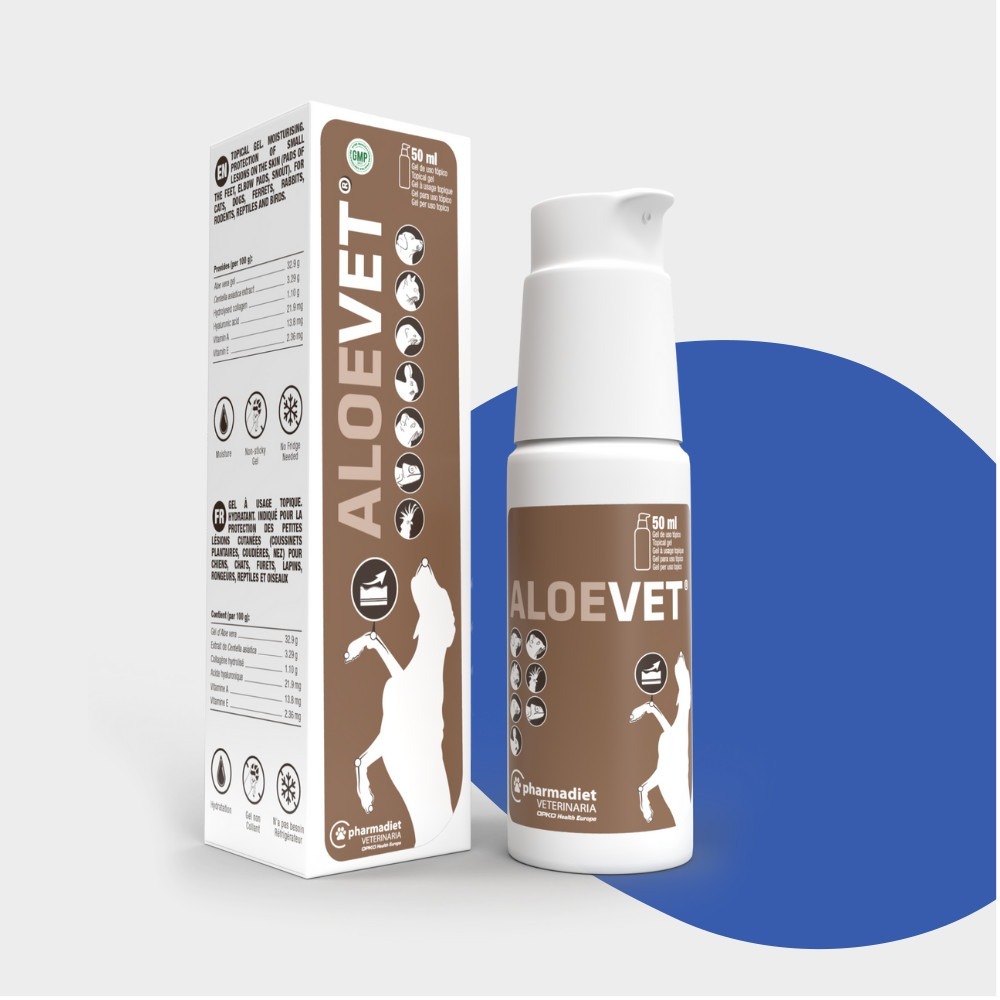
Aloevet®
Skin healthTopical gel, moisturizing, indicated for the protection of minor skin lesions, on extremities and especially sensitive areas such as paw pads, elbows, nose, and snout. -
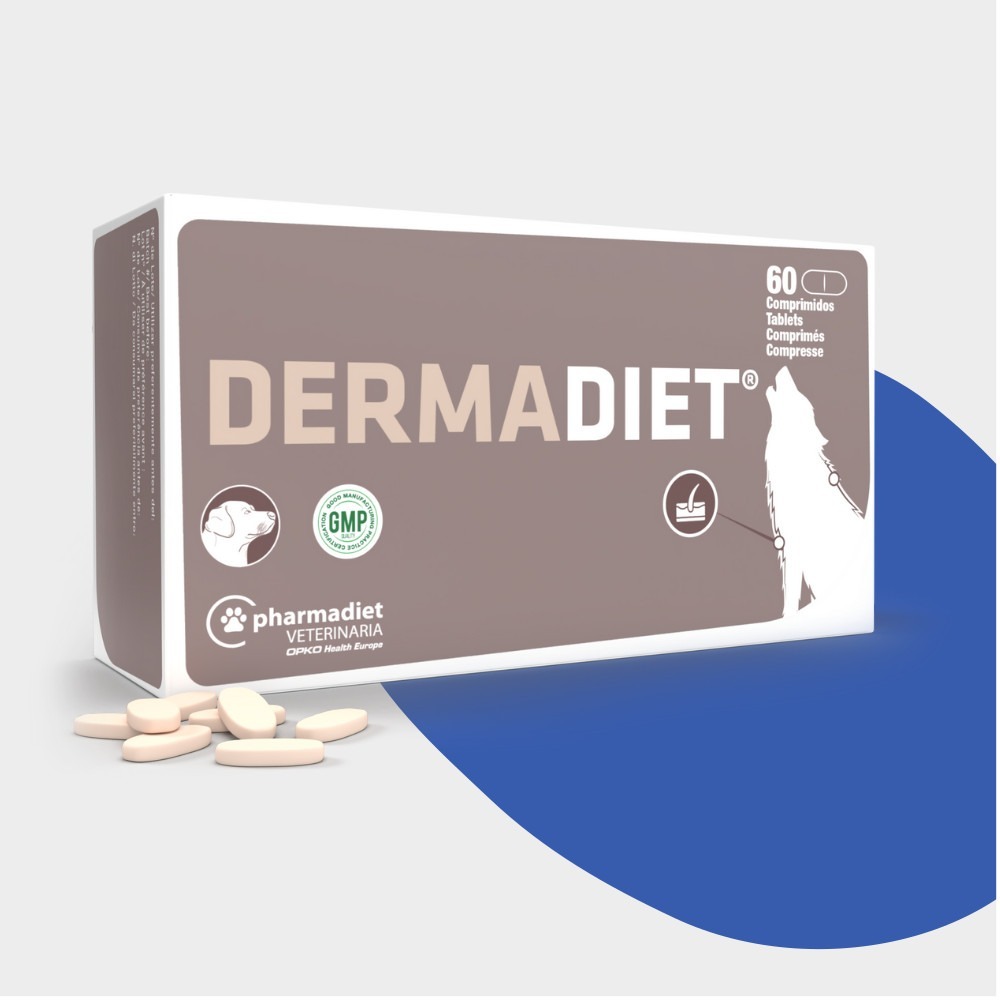
Dermadiet®
Skin healthComplementary feed with nutrients that help maintain healthy skin and strong, shiny fur in dogs. -
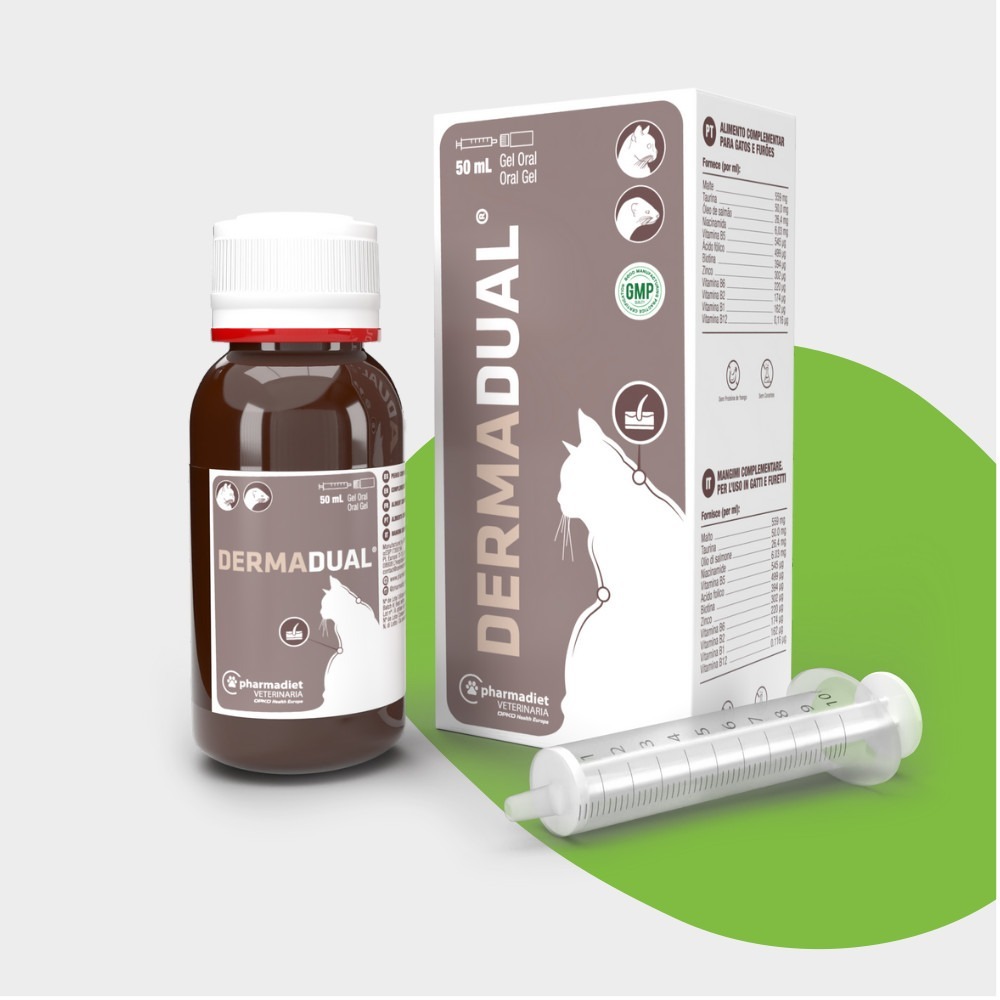
Dermadual®
Skin healthComplementary feed with nutrients that help maintain healthy skin and fur in dogs and cats. -
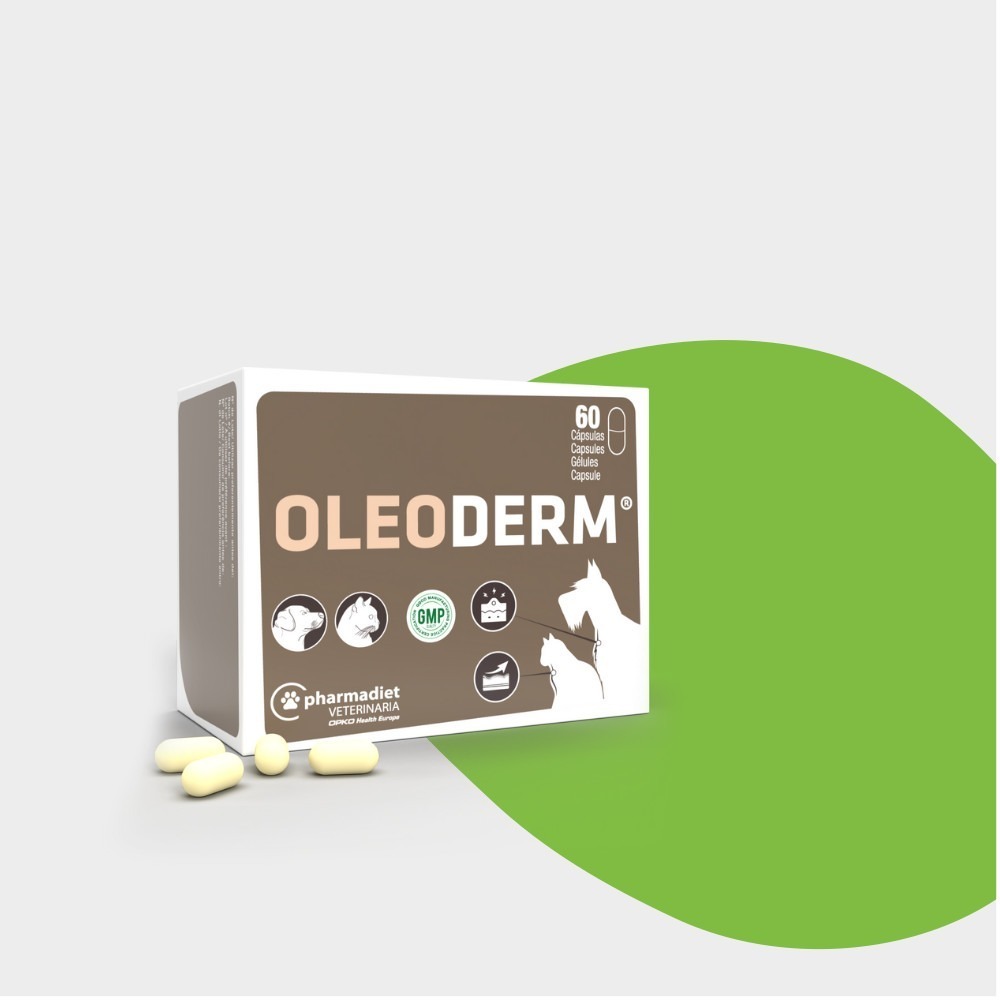
Oleoderm®
Skin healthComplementary feed with nutrients that help maintain healthy skin and fur in dogs and cats.
How can a supplement or gel help support the skin and coat of companion animals?
As well as acting as a protective barrier against external agents, the coat also plays an important role in helping pets regulate body temperature in cold conditions. Complementary feeds and topical gels can help support healthy skin and keep the coat in good condition and looking glossy.
About pets’ skin health
Skin problems in dogs and cats
An animal’s skin condition is often a clear reflection of its quality of life and overall wellbeing. In some cases, skin problems may also be a sign that something within the body is not functioning as it should.
Atopic dermatitis, allergic dermatitis — including flea allergy dermatitis — Malassezia dermatitis, feline acne, and spots or lesions in sensitive areas are some of the dermatological problems that pets may experience.
These conditions may be accompanied by common signs such as dryness, flaking, itching and secondary skin lesions. Good skin care and particular attention to the most exposed areas can help maintain the animal’s quality of life.
Areas that are especially prone to wounds and other lesions
These are areas that are regularly exposed to the outside environment, air, moisture and friction.
Excessive grooming in these areas may be a sign of an underlying skin problem.
These include:
Paw pads – the thickened skin on the paws. Walking on sharp, hot or cold surfaces, or on small objects, can cause injury.
Elbows – these areas can be affected by repeated friction against rough or hard surfaces.
Nose and muzzle – these areas are particularly affected by allergies, including food and pollen allergies, as well as exposure to the environment, which may trigger hypersensitivity reactions.
These areas should be checked regularly and, if there are any signs of pain or visible marks, the animal should be seen by a veterinary professional.
Skin care for dogs with dermatitis
- Skin hygiene and care: bathing the dog with a gentle shampoo specifically formulated for sensitive skin may help relieve itching, reduce irritation and limit hair loss. Harsh products that may damage the skin barrier should be avoided.
- Balanced nutrition: a balanced diet rich in essential nutrients is key to maintaining healthy skin.
- Parasite control: protecting dogs against fleas, ticks and other parasites is essential to help prevent skin infections, skin wounds and possible allergic reactions.
The role of the veterinarian in pets’ skin health
Veterinarians are the professionals best placed to advise on diet and supplementation for cats, dogs and other pets with skin problems. At Pharmadiet, we encourage owners to discuss any concerns with their vet.
Nutraceutical Solutions According to the Needs of the Pet
Joint Health
Behaviour health
Cellular protection
Energetic Health
Health and immune support
Skin health
Digestive health
Ear health
Liver health
Renal and urinary health
Formulated milk for newborns
Eye health
Joint health
Behaviour health
Cellular protection
Energetic health
Health and immune support
Skin health
Digestive health
Ear health
Liver health
Renal and urinary health
Formulated milk for newborns
Eye health