Complementary feed based on nutrients that contribute to the joint health of pets
These complementary feeds for dogs, cats, and other pets are formulated with essential nutrients, vitamins, and minerals that help support the normal health and function of joints, ligaments and tendons
-
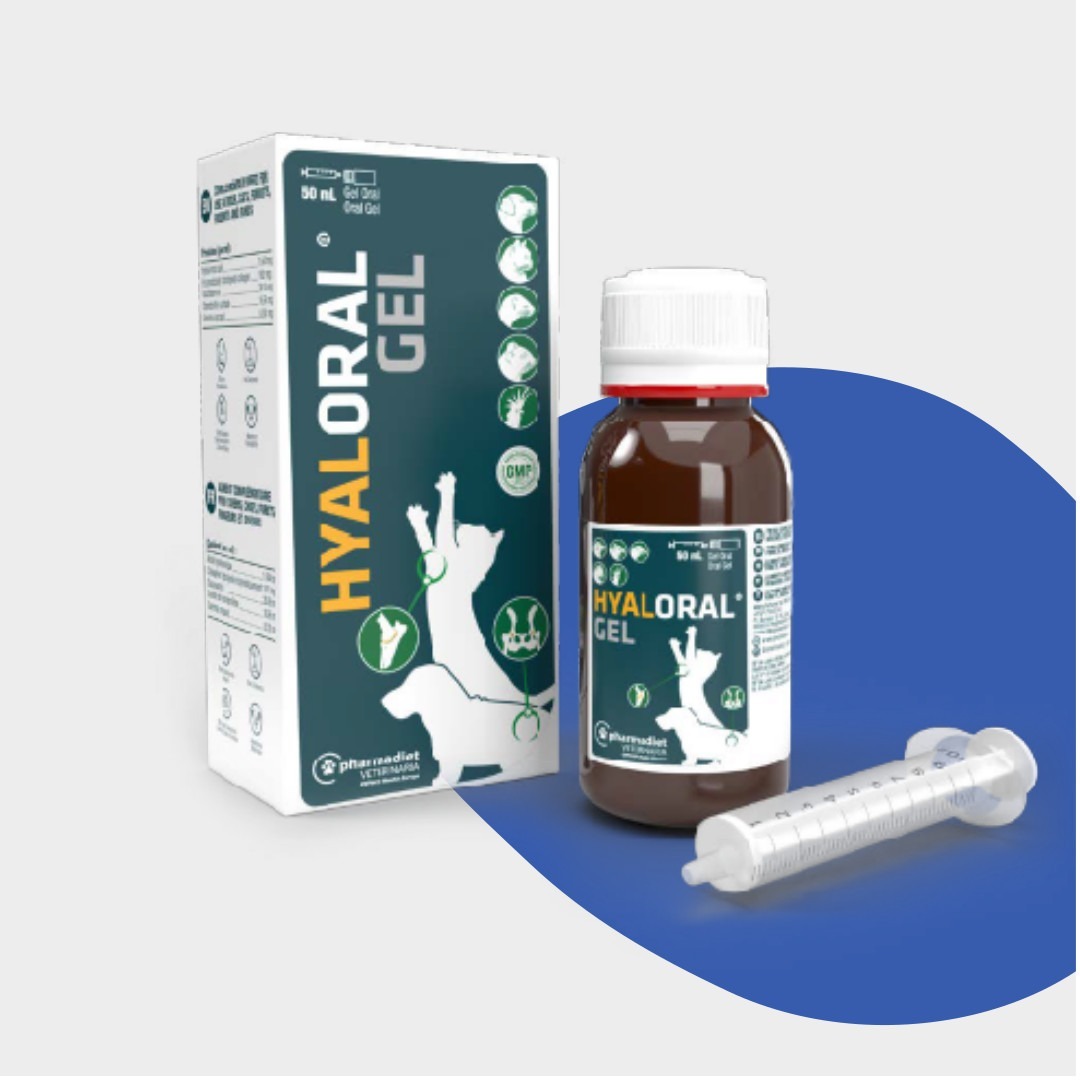
Hyaloral® Gel
Joint HealthComplementary feed whose added nutrients to the usual diet contribute to the proper development and maintenance of joints, tendons, and ligaments of our pets. -
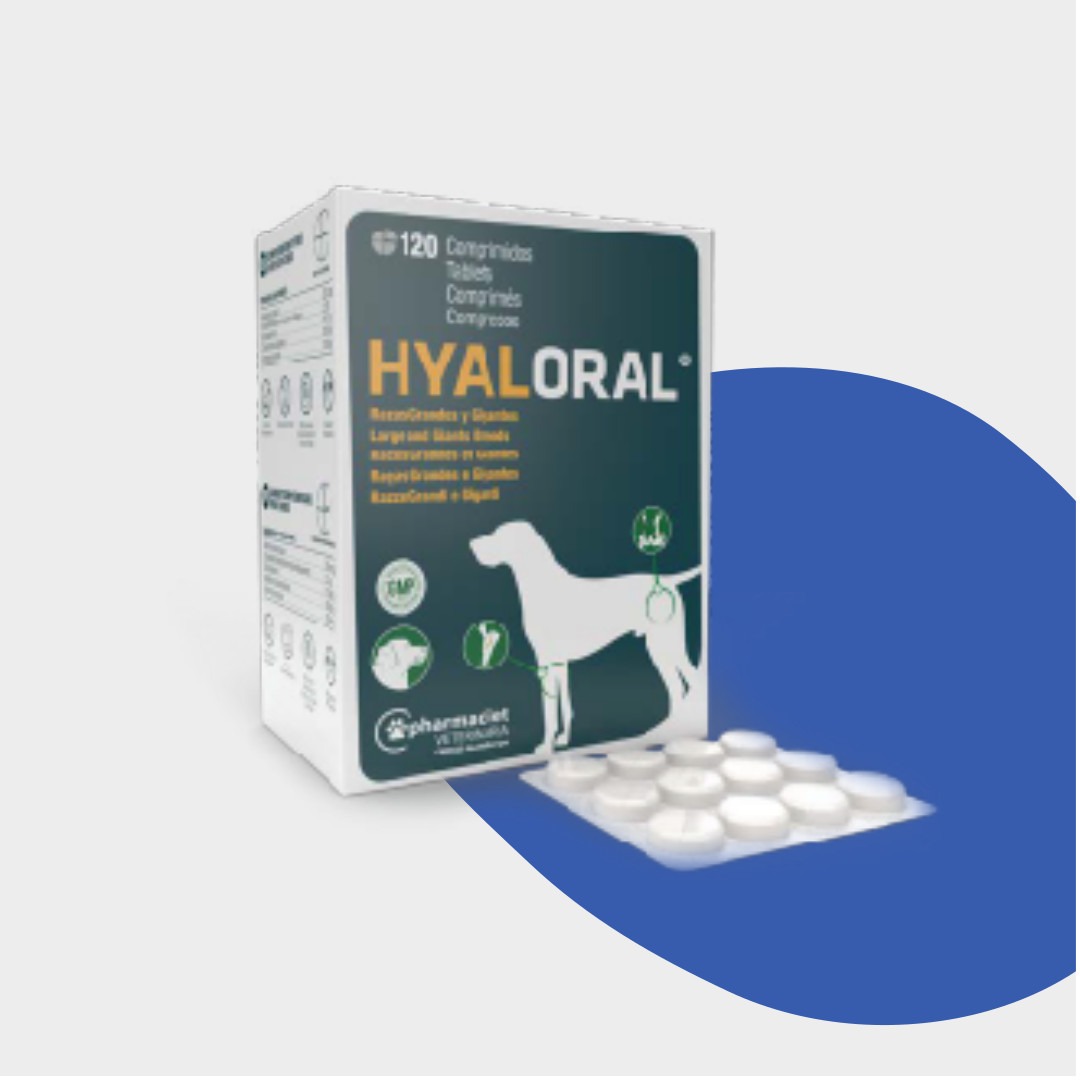
Hyaloral® Large and Giant breeds
Joint HealthComplementary food whose added nutrients to the regular diet contribute to the proper development and maintenance of joints, tendons, and ligaments. Supplement for larger dogs -
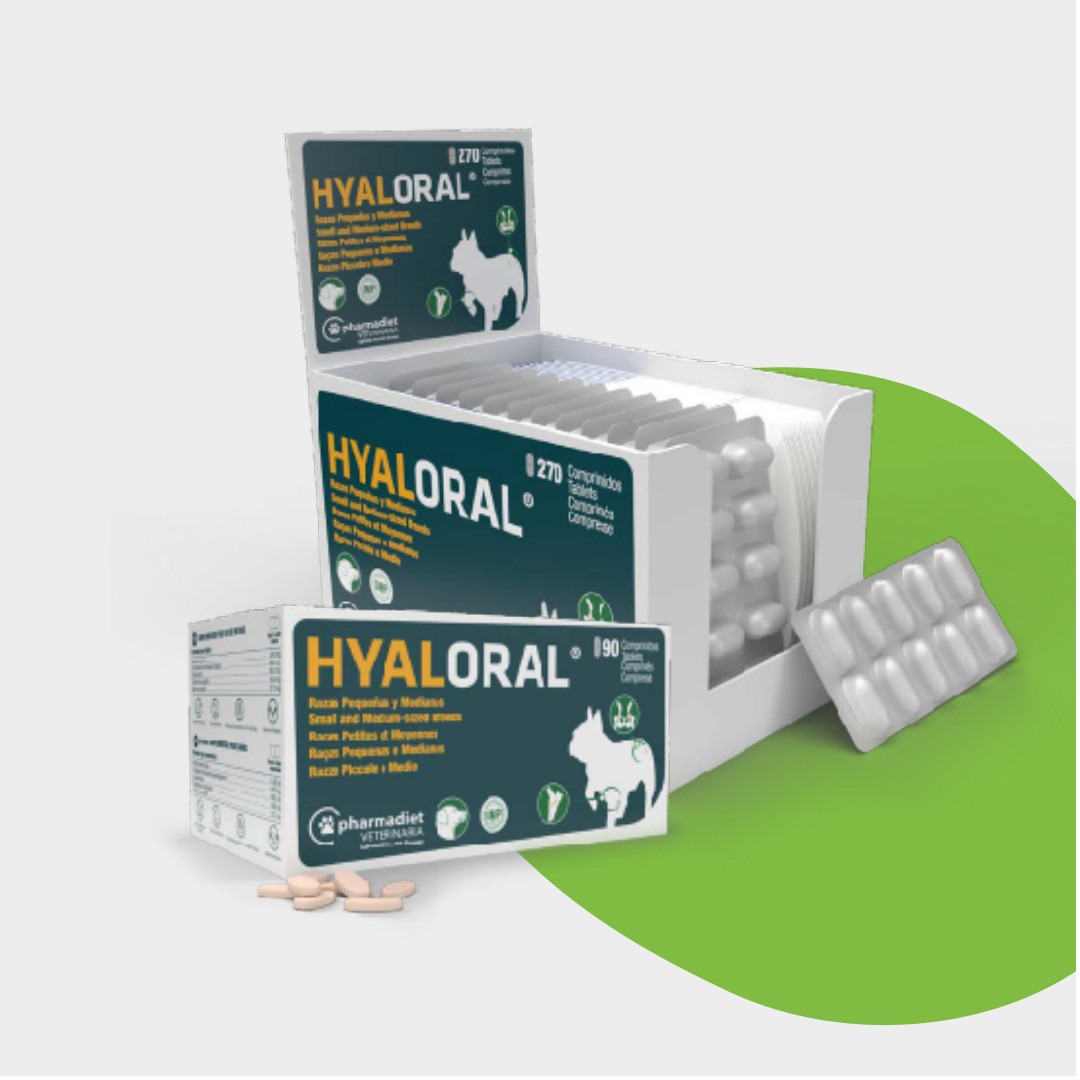
Hyaloral® Small and Medium breeds
Joint HealthComplementary feed whose added nutrients to the usual diet contribute to the proper development and maintenance of joints, tendons, and ligaments. For small or medium-sized dogs. -
-
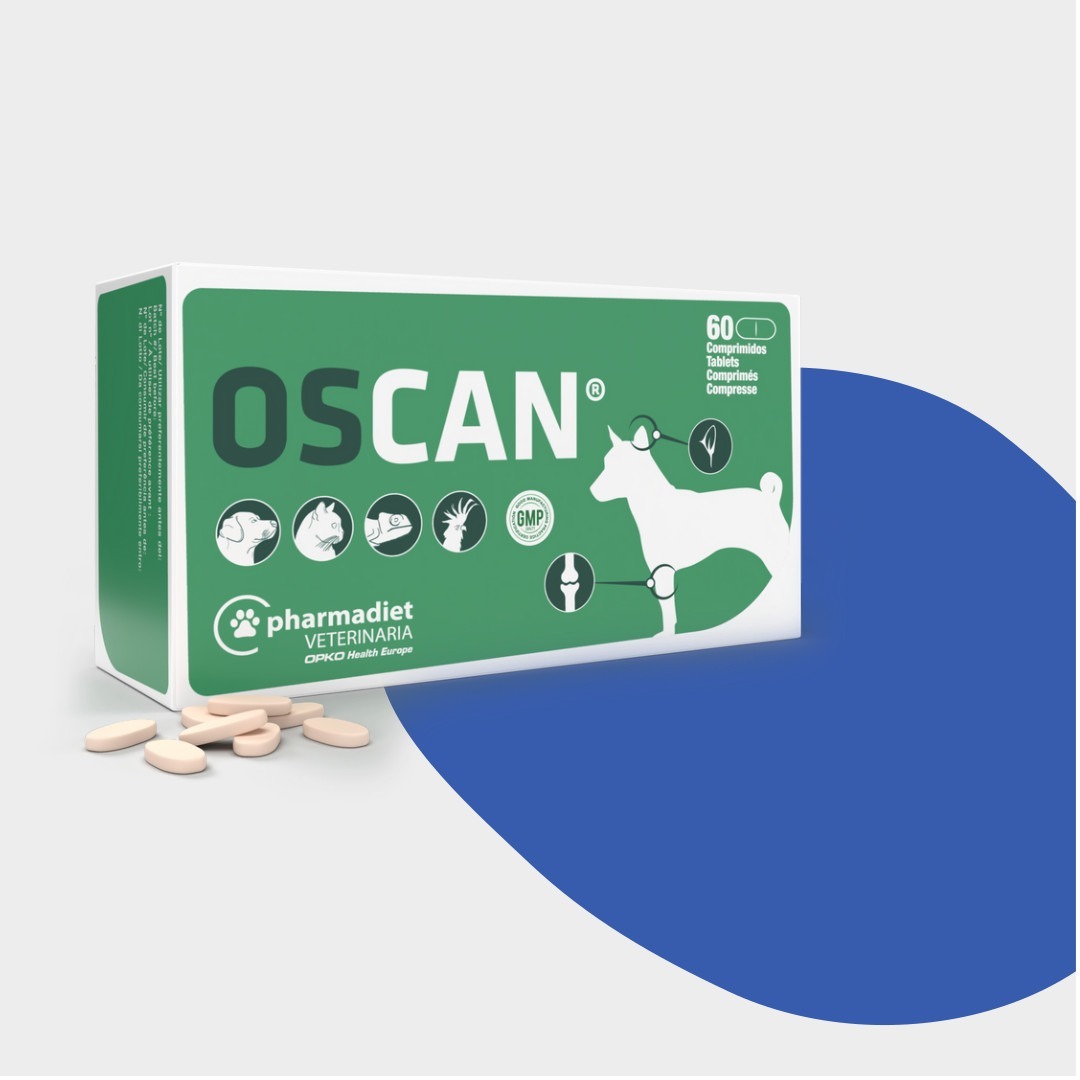
Oscan®
Joint HealthComplementary feed with nutrients that contribute to the maintenance and development of bone tissue and cartilage.
How can a joint support supplement help companion animals?
Joints are among the parts of the body that work hardest during movement and balance. Pharmadiet’s complementary feeds, because of their nutrients, help animals maintain normal joint function and contribute to the proper development and maintenance of joints, tendons, and ligaments.
Supporting pet joint health from birth through to old age.
Contribuyendo a la protección articular de las mascotas desde su nacimiento hasta una edad avanzada.
About the joint health of pets
How do a pet’s joints develop from birth?
Good care of bones, cartilage, tendons, and other parts involved in movement is crucial during the first months of an animal’s life. Good nutrition can help support healthy bones and joints, avoiding problems such as rickets, pain, or incomplete development of the system, etc., which can lead to more serious problems in older age.
During the growth phase of puppies and other animal babies, joint bone care is crucial.
It is important to note that companion animals, as they age, tend to lose agility,may experience joint wear, stiffness… in this case, it is important to consult the veterinarian who can indicate the best option to maintain the vitality and mobility of pets in old age.
Care and advice for the joint health of pets
Three key factors can help support healthy development and long-term wellbeing: exercise, rest, and food. Exercising every day, having a rest routine, and a balanced diet, rich in quality proteins and a variety of nutrients… already goes a long way.
Complementary feeds for dogs, cats, and other pets that contribute to joint health contain nutrients, minerals, and vitamins that, added to the usual diet, contribute to the proper development and maintenance of the joint system.
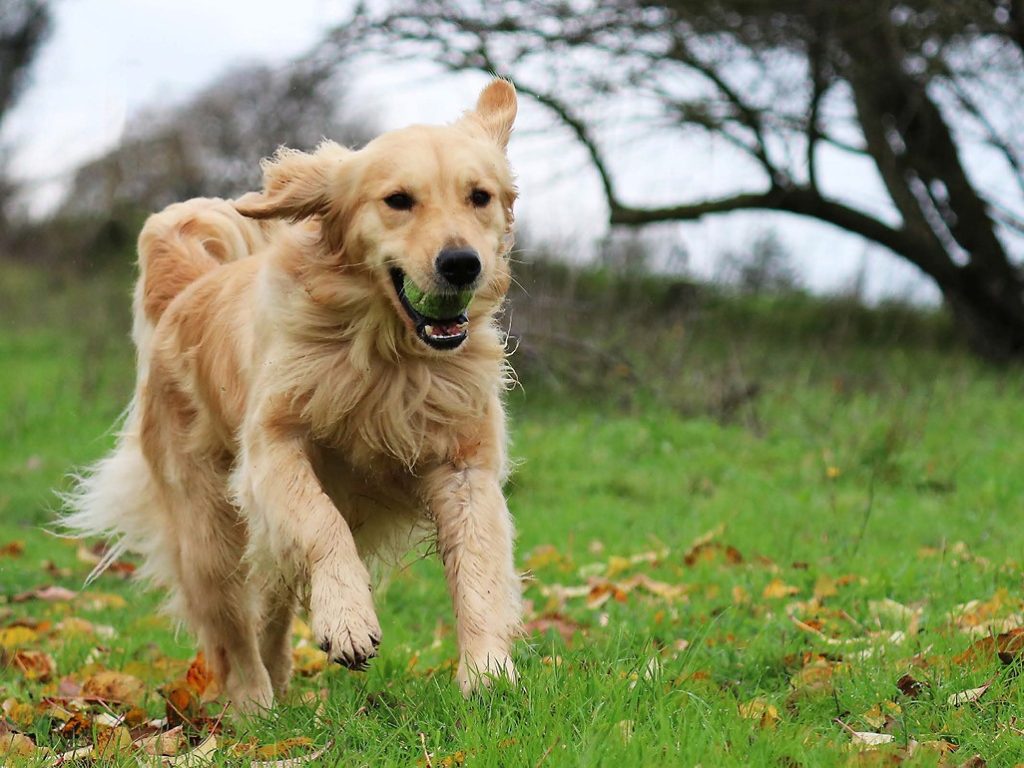
Helping pets stay active so they can run, play and jump comfortably.
From several daily walks to more specific exercises, the pet should have an active life to take care of its joints.
Key nutrients that help support joint health include:
✓ Hyaluronic acid
Main component of synovial fluid in the joints, with viscoelastic and lubricating properties. Its oral intake helps facilitate joint movement due to its viscosity; protect cartilage from wear; reduce inflammation; and promote cartilage nutrition.
✓ Collagen
Major component and structural basis of hyaline cartilage in the joints, the main tissue affected in joint degeneration processes. Hydrolyzed collagen is known to maintain cartilage integrity and provides flexibility, elasticity, and support. Its administration allows for greater absorption, distribution, and accumulation in articular cartilage.
✓ Chondroitin sulfate
Main glycosaminoglycan of the extracellular matrix of cartilage. Nutrient that contributes to the formation of different components of cartilage, helps decrease cartilage destruction, and reduces inflammation by decreasing the action of proinflammatory molecules.
✓ Gamma Oryzanol
Natural substance from rice bran, showing potent antioxidant action, helps eliminate free radicals, and reduce inflammation.

Arthritis poses a risk to the joint health of pets
Arthritis in animals is commonly accompanied by inflammation of the articular cartilage, which causes pain and difficulty in movement, usually as a result of the deterioration of the articular cartilage, which causes pain and difficulty in movement. It should not be confused with arthritis, due to inflammation of the synovial membrane and can cause visible alterations in the joints.
To give a few figures, arthritis affects 1 out of every 5 adult dogs. And 9 out of 10 cats aged 12 or over have arthritis. Arthritis is also a common problem in racehorses, along with tendon and ligament injuries, a common deterioration in many pets that can alter their quality of life and routine.
Arthritis affects 2 out of 10 dogs and 9 out of 10 cats.
Usually observed: pain on palpation, licking in affected joints, fatigue, changes in behavior, greater restlessness or reluctance to move, play, go for walks…
Animals suffering from arthritis may also suffer from muscle atrophy (weakening of the muscles), which will require an exercise routine and provide different nutrients to the diet (for example, hyaluronic acid that promotes cartilage nutrition and contributes to the proper functioning of the joint).
The role of the veterinarian in pet joint health
Pharmadiet Veterinary recommends that, for any problem or question about joint health, consult a veterinarian. This professional is the one who can best establish personalized treatment and care.
Nutraceutical Solutions According to the Needs of the Pet
Joint Health
Behaviour health
Cellular protection
Energetic Health
Health and immune support
Skin health
Digestive health
Ear health
Liver health
Renal and urinary health
Formulated milk for newborns
Eye health
Joint health
Behaviour health
Cellular protection
Energetic health
Health and immune support
Skin health
Digestive health
Ear health
Liver health
Renal and urinary health
Formulated milk for newborns
Eye health